

Foley DUI defense tips for spring break: what to do during a stop, common mistakes, and when to call a lawyer.

Do You Have a Failure to Appear Warrant in Foley, Alabama?
Foley, AL Domestic Violence Defense Lawyer: Your Shield Against Unjust Accusations.
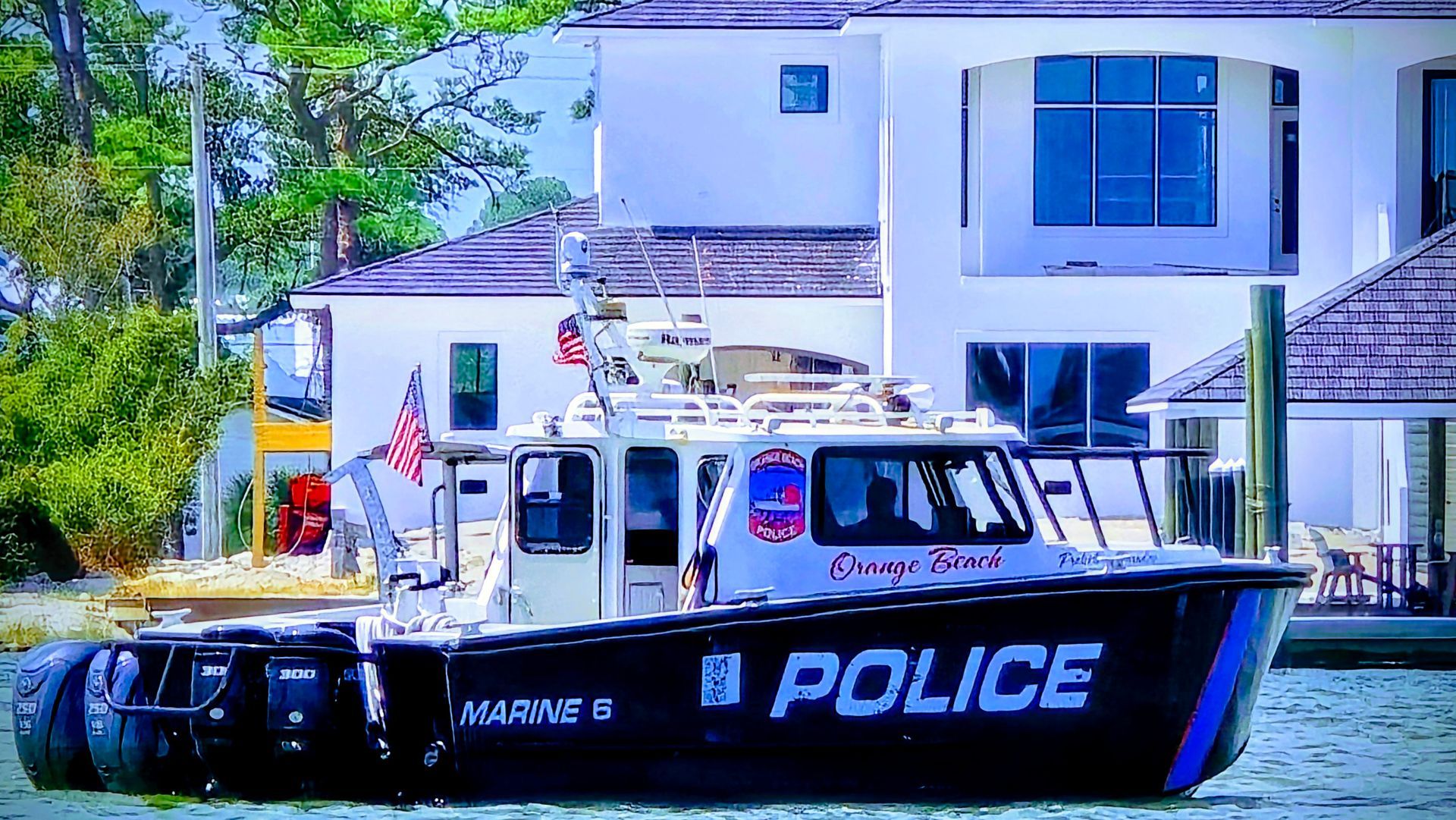
Baldwin County, AL Boating Under the Influence Defense Lawyer

Foley, Alabama Criminal Defense Law Firm, Jordan M. Copeland Law, PLLC is local and experienced in successfully defending clients from anywhere in the country facing charges in Foley, Alabama. The Foley, Alabama Municipal Court has jurisdiction of cases processed from arrests for misdemeanors and issuances of traffic citations by the Foley Police Department within the jurisdiction of the City of Foley, Alabama. The District Court of Baldwin County (Foley Courthouse location) has jurisdiction of Misdemeanor charges and Traffic Violations from arrests made in south Baldwin County by a Sheriff’s Deputy or an Alabama State Trooper. Foley, Alabama Criminal Defense Lawyer, Jordan M. Copeland has defended clients charged with crimes in Alabama since 2007. It is generally advisable to retain an experienced criminal defense attorney to represent you anytime you must appear as a defendant to face charges in the Foley Courts or any other court. Do not make the mistake of thinking that because you are in a Municipal or District Court in Foley court that you should take your charge(s) lightly. Class A Misdemeanors prosecuted in the Foley, Alabama Courts have a sentencing range of up to one (1) year in the City Jail if you are found or plead guilty. Plus, you will have a criminal conviction on your background report. Foley, Alabama Criminal Defense Lawyer, Jordan M. Copeland frequently represents clients in the Foley Criminal Courts that are facing charges of: Domestic Violence, 3rd degree, Assault 3rd Degree, Driving Under the Influence (DUI) of Alcohol and/or Drugs, Possession of Marijuana, 2nd degree, Possession of Drug Paraphernalia, Public Intoxication, Minor in Possession of Alcohol, Reckless Endangerment, Attempting to Allude Police, Theft of Property 4th degree, among many other misdemeanor and traffic citations. Foley, Alabama Criminal Defense Law Firm - Jordan M. Copeland Law, PLLC is driven to obtain the best outcome we can for our clients in the Foley Criminal Courts. While no lawyer can ethically guarantee results, our law firm strives for success in every case. Our goal is to achieve the best result we can in each case in the Foley, Alabama Courts. We know how important the outcome of your criminal case in Foley, Alabama can be on your future because Attorney, Jordan M. Copeland also represents clients petitioning to expunge their arrest record in prior cases from the Foley Criminal Courts and across Alabama. Even if your criminal case in Foley results in a dismissal, nolle pross, acquittal, or any form of non-conviction, unless you successfully obtain an expungement from the proper Circuit Court you will still have a record of the arrest on your criminal background. If you are local, out-of-state, or out-of-area, and are facing criminal or traffic charges in a Foley Criminal Court, we can help. Do not plead guilty without an attorney “just to get it over with” because you will likely regret it. Even if you think the facts are 100% against you, we may be able to negotiate an offer with a more favorable outcome with the Prosecutor. When you retain Foley Criminal Defense Law Firm – Jordan M. Copeland Law, PLLC we interview you and any necessary witnesses, then obtain discoverable evidence from the Foley Police Department via a Motion for Discovery. Said discoverable evidence will likely include officer bodycam and dashboard camera audio/video evidence from the alleged incident, and other document evidence. We will analyze the discoverable evidence from the defense perspective in relation to the applicable law to determine if any pre-trial motions are appropriate. Additionally, we will leverage our client’s position to the best of our ability with the Prosecutor and Judge in the Foley Criminal Courts. Feel free to contact the local and experienced Foley, Alabama Criminal Defense Law Firm, Jordan M. Copeland Law, PLLC to discuss your case. Contact us by phone at our office: (251) 545-3637, by email at Jordan@OrangeBeachLawyer.com or via our Contact Us form on this websites: FoleyALcriminaldefense.com or OrangeBeachLawyer.com Foley, Alabama Criminal Defense Law Firm - Jordan M. Copeland Law, PLLC office location: Landmark Office Building, 316 South McKenzie Street, Suite 127, Foley, AL 36535.

WARNING: *If you were convicted of a misdemeanor crime of Domestic Violence, 3rd degree in Foley Municipal Court, your rights to own or possess a firearm (gun) or ammunition are now prohibited by Alabama and Federal law.* Persons prohibited from owning/possessing firearms that are alleged to be in actual or constructive possession of a firearm or ammunition are subject to being charged with a new felony charge under Alabama and/or Federal law. (See the footnote to this article for citations of the Alabama and Federal laws.) *Please note that at the time of authoring this article, an Order of Expungement in Alabama will NOT restore firearm rights per the authority of the current Alabama expungement law.* Therefore, you either need an unrestricted pardon or a set aside of the conviction (if there are legal grounds) in Alabama to have your firearm rights restored from a previous Domestic Violence, 3rd degree misdemeanor conviction. Many Domestic Violence, 3rd degree convictions are from the Foley Municipal Court in Baldwin County, Alabama. However, Alabama law provides that the Alabama Board of Pardons & Paroles does not have jurisdiction to pardon convictions from Municipal Courts. Therefore, unless you can get a Mayoral pardon, the only remedy to restore gun rights from a Domestic Violence, 3rd degree misdemeanor conviction from Foley Municipal Court may be an Order from the Municipal Court setting aside the conviction (if certain legal grounds are met). Our Foley, Alabama Domestic Violence, 3rd Degree Criminal Defense Law Firm, Jordan M. Copeland Law, PLLC represents clients that may have had their Sixth Amendment Right to Counsel (aka an Attorney) violated when they were convicted of Domestic Violence, 3rd degree. This can be a jurisdictional ground to petition the Foley Municipal Court in to set aside the previous conviction per the authority of Rule 32 of the Alabama Rules of Criminal Procedure, if certain elements are met. If the Foley Municipal Court enters an order setting aside a conviction, and if the case is then Nolle Prossed or otherwise dismissed, the person’s firearm rights are no longer prohibited (this assumes the person has no additional reason(s)/grounds why they are prohibited). If you were previously convicted of a Domestic Violence, 3rd degree misdemeanor in Foley Municipal Court – below are the first qualifying questions we would need to know to confirm your potential eligibility: 1) In what court was your Domestic Violence, 3rd degree conviction? 2) Were you represented by an attorney (any attorney whether retained, appointed, or public defender)? 3) If you were NOT represented by an attorney, did you waive your right to be represented by an attorney in writing (signed waiver) with the Court? (In a Municipal Court this would need to be a clear, written document that you signed at the request of the Court.) 4) Did you receive jail time OR suspended jail time as part of the court’s sentencing for your conviction? 5) Have you filed an appeal, or a Rule 32 petition related to your case? In short, if you were convicted of a Domestic Violence 3rd degree, you were not represented by an attorney, you did not waive your right to an attorney in a signed waiver, and you received either suspended jail time or jail time -- then you likely meet the legal criteria for our law firm to be able to represent you in pursuing a set aside of your conviction with the Foley, Municipal Court. Many eligible Domestic Violence, 3rd degree cases in Foley Municipal Court are 10+ years old or older. However, if you meet the criteria, there is no time limitation period for us to pursue this ground for relief because of the jurisdictional issue. If you have a previous Domestic Violence, 3rd degree conviction in a Municipal court in Baldwin County, Alabama, including but not limited to: Foley, Municipal Court, Gulf Shores Municipal Court, Orange Beach Municipal Court, Fairhope Municipal Court, Loxley Municipal Court, Summerdale Municipal Court, Daphne Municipal Court, Bay Minette Municipal Court, Robertsdale Municipal Court, Silverhill Municipal Court, Elberta Municipal Court, Spanish Fort Municipal Court and you meet the above grounds – feel free to contact our law firm to discuss potential representation. Foley, Alabama Domestic Violence, 3rd Degree Criminal Defense Law Firm – Jordan M. Copeland Law, PLLC. Since 2007, Attorney, Jordan M. Copeland has successful defended hundreds of Domestic Violence, 3rd degree misdemeanor charges in Alabama against people from all walks of life. JORDAN M. COPELAND LAW, PLLC Office Location: Landmark Office Building 316 South McKenzie Street, Suite 127 Foley, Alabama 36535 Phone: (251) 545-3637 Websites: OrangeBeachLawyer.com FoleyALcriminaldefense.com ExpungementAlabamaLawyer.com Email: Jordan@OrangeBeachLawyer.com “Anyone who has been convicted in any court (including Municipal Courts) of a qualifying Misdemeanor Crime of Domestic Violence (including, but not limited to, Domestic Violence, 3rd degree in Alabama) generally is prohibited for life in the State of Alabama from owning or possessing any firearm (See: 13A-11-72(a), Code of Ala.). Currently, violations of this offense are punishable as a Class C Felony in Alabama (See: 13A-11-84(a), Code of Ala.). Additionally, the same persons are also generally prohibited for life under Federal law from possessing any firearm or ammunition in interstate or affecting commerce shipping or transporting any firearm or ammunition in interstate or foreign commerce, or receiving any such firearm or ammunition. Violation of this Federal law prohibition is a federal criminal offense punishable by up to ten (10) years imprisonment (See: 18 USC 922(g)(9) (the Lautenberg Amendment); 18 USC 92”